
Exploring the Dynamics of Niche Markets in SEO
Understanding Audience Behavior Patterns

A comprehensive analysis of audience behavior involves examining search patterns and engagement metrics to fine-tune SEO strategies that cater to specific interests and needs while ensuring relevance across various online platforms. Gaining insights into how niche audiences engage with content enables businesses to adapt their tactics to better fulfill user expectations.
The primary advantages of conducting audience analysis include:
- Pinpointing particular user interests and preferences.
- Enhancing content relevance and user engagement.
- Refining targeting for marketing initiatives.
- Increasing conversion rates through personalized messaging.
By utilizing these insights, businesses can develop more impactful content that resonates with their audience, ultimately resulting in improved SEO performance.
Choosing the Right SEO Tools
Choosing the right tools necessitates assessing options that facilitate comprehensive data collection and keyword tracking to boost visibility in specialized areas through ongoing monitoring and strategic adjustments. Tools like Google Analytics, SEMrush, and Ahrefs offer valuable insights into audience behavior and keyword performance, enabling businesses to maintain a competitive edge in niche markets.
It is crucial to select tools that not only track keywords but also analyze competitors and monitor website health. This holistic approach allows businesses to adjust their strategies based on current data, ensuring their competitiveness within their industries. By investing in appropriate tools, companies can significantly enhance their SEO initiatives and foster sustainable growth.
Establishing Authority Signals
Establishing authority signals involves generating credible backlinks and producing content that builds trust with targeted users, leading to improved rankings over time. Authority signals are vital in niche markets, where trust and credibility can greatly impact user choices and search engine results.
To build authority, businesses should prioritize producing high-quality, informative content that naturally attracts backlinks from reputable sources. Engaging with industry influencers and participating in relevant online forums can also boost visibility and credibility. By consistently providing value, businesses can reinforce their authority and enhance their SEO outcomes.
Expert Recommendations for Advanced SEO Strategies in Niche Markets

Evaluating Competitor Strategies
Evaluating competitor strategies allows businesses to identify successful tactics and adapt them to their unique niche requirements by carefully analyzing performance data. By studying how competitors rank for specific keywords and their content approaches, businesses can uncover critical insights that enhance their own SEO initiatives.
It is essential to go beyond mere keyword analysis; assessing content quality, user engagement, and backlink profiles can reveal gaps and opportunities. This competitive analysis empowers businesses to refine their strategies and distinguish themselves within their niche, ultimately leading to improved visibility and performance in search results.
Enhancing Site Architecture for Better SEO
Enhancing site architecture provides expert insights into organizing websites to boost crawlability and user navigation, resulting in higher retention rates for specialized content. A well-structured site not only improves the user experience but also aids search engines in indexing content more effectively.
Key components of optimizing site architecture include:
- Establishing a clear hierarchy with logical categories.
- Utilizing descriptive URLs that accurately reflect content.
- Implementing breadcrumb navigation for seamless user navigation.
- Ensuring all pages are accessible within a few clicks.
By concentrating on these aspects, businesses can enhance their site’s usability and SEO performance, leading to greater engagement and improved rankings.
Staying Ahead of Algorithm Updates

Staying informed about algorithm updates involves adapting strategies swiftly to maintain rankings in competitive niche markets through proactive adjustments. Search engines frequently refresh their algorithms, and being aware of these changes is critical for retaining visibility.
For example, when Google launched the Core Web Vitals update, many businesses needed to revise their strategies to emphasize user experience. By consistently reviewing search engine guidelines and industry developments, companies can anticipate changes and modify their SEO tactics accordingly. This proactive mindset ensures that businesses remain competitive and achieve favorable rankings in search results.
Utilizing Specialized Keyword Research Techniques
Utilizing specialized keyword research means employing advanced tools to discover low-competition terms within niche markets, facilitating targeted content creation that attracts qualified leads and establishes expertise through data-driven strategies. Grasping the intricacies of niche keywords can significantly strengthen SEO initiatives.
Employing tools such as Ubersuggest and Keyword Planner can help identify long-tail keywords that are less competitive yet highly relevant. By centering efforts on these terms, businesses can craft content that addresses specific user needs and captures targeted traffic. This strategic approach not only improves rankings but also positions companies as authorities in their respective niches.
Creating Authoritative Backlink Profiles
Creating authoritative backlink profiles involves securing links from reputable websites relevant to the niche, enhancing domain authority and ensuring sustainable growth in search visibility while adhering to evolving SEO standards for long-term success in competitive landscapes. Backlinks are essential for establishing credibility and improving search rankings.
To cultivate a robust backlink profile, businesses should focus on generating high-quality content that naturally attracts links, engaging with industry influencers, and exploring guest blogging opportunities. By prioritizing quality over quantity, companies can strengthen their authority and elevate their overall SEO performance.
How Does Technical SEO Influence Niche Market Visibility?
Applying Schema Markup for Enhanced Search Results
Applying schema markup improves search result displays by offering structured data that enables search engines to interpret niche content more accurately and effectively. Utilizing schema markup can enhance how search engines perceive content, resulting in richer search results and increased click-through rates.
By implementing schema markup for products, reviews, and local business information, companies can boost their visibility in search results. This structured data not only enhances user experience but also assists search engines in delivering more relevant results, ultimately improving niche visibility and engagement.
Ensuring Mobile-Friendly Designs
Ensuring mobile-friendly designs requires testing responsive layouts to offer seamless experiences that enhance engagement and conversion rates among niche audiences. As the number of users accessing websites via mobile devices continues to grow, having a mobile-optimized site is essential for SEO success.
A responsive design adjusts to various screen sizes, ensuring users enjoy a consistent experience regardless of the device they use. By optimizing for mobile, businesses can enhance user engagement, lower bounce rates, and improve overall search visibility in niche markets.
What Are the Core Web Vitals Essentials?
Core web vitals essentials include speed and interactivity metrics that directly affect how search engines rank niche sites based on user experience signals. These metrics encompass loading performance, interactivity, and visual stability, all critical for delivering an optimal user experience.
Improving core web vitals can result in enhanced search rankings and greater user satisfaction. Businesses should routinely evaluate their site’s performance using tools like Google PageSpeed Insights and implement necessary adjustments to boost loading speeds and overall user experience.
Strategic Keyword Research for Specialized Audiences
Targeting Long-Tail Keywords
Targeting long-tail keywords enables businesses to focus on less competitive phrases that attract highly relevant traffic to niche markets, which often leads to higher conversion rates. Long-tail keywords are usually more specific and can generate greater engagement since they align closely with user intent.
By emphasizing long-tail keywords, businesses can craft content that directly addresses the needs of their audience. This focused approach not only enhances search visibility but also increases the probability of conversions, establishing it as a valuable strategy for niche marketing.
Employing Semantic Analysis for SEO
Employing semantic analysis helps uncover related concepts and variations to expand keyword lists while ensuring content aligns with user intent in specific areas. This method allows businesses to identify keywords that may not be immediately apparent but remain highly relevant to their niche.
Integrating semantic keywords into content can enhance its relevance and aid search engines in better understanding the context. By focusing on related terms and phrases, companies can strengthen their SEO strategy and attract a wider audience while staying focused on their niche.
Monitoring Search Volume Fluctuations
Monitoring search volume fluctuations supports timely strategy adjustments, ensuring sustained performance in evolving niche search environments. Recognizing how search volume varies over time enables businesses to pinpoint emerging trends and modify their content accordingly.
By leveraging tools like Google Trends and SEMrush, companies can track keyword performance and adapt their strategies based on real-time data. This proactive approach guarantees that businesses stay relevant and competitive within their niche, ultimately yielding improved search visibility.
Analyzing Competitor Keyword Strategies
Analyzing how competitors utilize keywords within specialized audiences provides insights into high-performing terms and opportunities for differentiation, facilitating strategic content creation that attracts and converts niche visitors effectively over time. Understanding competitor approaches offers valuable insights that can guide your own SEO efforts.
By discovering the keywords that drive traffic to competitor sites, businesses can identify weaknesses in their own strategies and create content that addresses those gaps. This competitive analysis improves keyword targeting and assists businesses in standing out within their niche.
Utilizing Feedback from Your Audience
Utilizing feedback from your audience through surveys and social media interactions reveals preferred terminology and pain points within niche markets, aiding in the discovery of keywords that closely align with user needs and enhance search visibility. Engaging directly with the audience can yield valuable insights that shape keyword strategies.
By actively soliciting feedback, businesses can better understand the language and terms their audience employs, resulting in more effective keyword targeting. This method improves search visibility while enhancing user engagement and satisfaction in niche markets.
What Are Proven Techniques for Content Optimization?
Creating Compelling Headlines
Creating compelling headlines captures attention and drives clicks by naturally incorporating targeted keywords into engaging phrases for niche audiences. An effective headline is crucial for generating traffic and improving click-through rates, making it a vital aspect of content optimization.
Strong headlines should convey the content’s value while appealing to the target audience’s interests. By employing action-oriented language and relevant keywords, businesses can craft headlines that resonate with niche readers and motivate them to delve deeper into the content.
Integrating Internal Links Strategically
Integrating internal links effectively guides users through related content, enhancing site authority and assisting search engines in indexing niche pages more thoroughly. Internal linking is a powerful SEO strategy that improves user experience and elevates overall site visibility.
By strategically linking to relevant content within the site, businesses can keep users engaged longer and encourage exploration of additional resources. This tactic not only enhances user retention but also strengthens the site’s overall SEO performance.
Refreshing Outdated Content
Refreshing outdated content revitalizes information to ensure accuracy and relevance, potentially generating renewed interest and better search rankings. Regularly reviewing and updating content is essential for maintaining its effectiveness and ensuring it addresses current user needs.
By revisiting older content and integrating new data, insights, or trends, businesses can enhance its value and improve search rankings. This practice not only boosts SEO performance but also reflects a commitment to providing high-quality, relevant information to users.
Research-Backed Advantages of Best Practices in Advanced SEO for Niche Markets
Effectively Measuring ROI
Effectively measuring ROI involves tracking key metrics such as traffic growth and conversions to illustrate the value of advanced SEO initiatives in niche contexts. Understanding return on investment is essential for justifying SEO expenditures and optimizing future strategies.
Businesses should define clear performance indicators to evaluate the impact of their SEO efforts. By examining metrics like organic traffic growth, conversion rates, and engagement levels, companies can gain insights into the effectiveness of their strategies and make informed adjustments.
Boosting User Engagement
Boosting user engagement through optimized content leads to longer session durations and lower bounce rates, positively affecting niche site rankings. Engaging content keeps users invested and encourages them to explore additional pages, which can enhance overall SEO performance.
To improve engagement, businesses should focus on producing high-quality, relevant content that meets user needs. Incorporating interactive elements, such as quizzes or polls, can further enrich engagement and prompt users to interact more deeply with the site.
Scaling Proven Strategies
Scaling proven strategies involves identifying successful methods and applying them across multiple campaigns to achieve consistent results in specialized markets. By recognizing which tactics yield the best outcomes, businesses can replicate their success in other areas.
This process requires analyzing data from previous campaigns to uncover trends and patterns. By applying these insights to new initiatives, companies can streamline their efforts and enhance overall SEO performance across their niche.
How Can Analytics Propel Niche SEO Success?
Understanding Data Patterns
Understanding data patterns reveals opportunities for refinement by examining user behavior and search trends specific to niche topics over time. Data analysis helps businesses determine what resonates with their audience and adjust their strategies as needed.
By leveraging analytics tools, companies can gain insights into user interactions, traffic sources, and engagement metrics. This information enables businesses to make data-driven decisions that boost their SEO performance and better cater to their niche audience.
Establishing Performance Benchmarks
Establishing performance benchmarks sets clear goals that guide ongoing SEO enhancements and facilitate accurate progress measurement in targeted sectors. Benchmarks offer a framework for evaluating the effectiveness of SEO strategies and pinpointing areas for improvement.
By defining specific, measurable goals, businesses can monitor their progress and make informed adjustments. This focused approach guarantees that companies remain dedicated to their objectives and continually pursue improvement within their niche.
Adapting Strategies Based on Insights
Adapting strategies based on insights ensures effectiveness by responding to real data that highlights what resonates with niche audiences. Regularly reviewing performance metrics allows businesses to make informed decisions and adjust their SEO tactics as necessary.
This iterative process includes analyzing data to identify trends and user preferences. By remaining responsive to these insights, companies can optimize their strategies and maintain a competitive advantage in their niche market.
Long-Term SEO Monitoring Strategies
Conducting Regular Audits
Conducting regular audits identifies issues early and maintains optimal site health through systematic reviews of technical elements and content quality. Consistent audits are crucial for pinpointing potential problems and ensuring that SEO strategies stay effective over time.
By performing comprehensive audits, businesses can reveal technical issues, outdated content, and areas for improvement. This proactive approach supports ongoing SEO success in niche markets.
Assessing Backlink Profiles
Assessing backlink profiles ensures that quality links continue to support authority while identifying and removing any that could negatively impact niche rankings. A robust backlink profile is essential for maintaining search visibility and credibility within specialized markets.
Regularly reviewing backlinks allows businesses to detect low-quality or spammy links that could harm their SEO performance. By concentrating on acquiring high-quality, relevant backlinks, companies can bolster their authority and enhance their overall search rankings.
Predicting Future Trends
Predicting future trends prepares strategies for upcoming changes by analyzing current data and industry developments to stay ahead in niche optimization. Understanding emerging trends enables businesses to proactively adjust their strategies and seize new opportunities.
By remaining informed about industry shifts and user preferences, companies can refine their SEO tactics and ensure they remain competitive. This forward-thinking approach is vital for long-term success in niche markets.
Frequently Asked Questions
What are the main advantages of audience analysis in niche SEO?
Audience analysis identifies specific user interests, enhances content relevance, improves targeting for marketing initiatives, and increases conversion rates through customized messaging.
How can I choose the best tools for niche SEO?
Select tools that facilitate detailed data collection, keyword tracking, and competitor analysis. Consider options like Google Analytics, SEMrush, and Ahrefs to boost your SEO strategies.
What are authority signals in SEO?
Authority signals consist of credible backlinks and high-quality content that foster trust with users and search engines, ultimately leading to improved rankings over time.
Why is competitor analysis crucial for niche SEO?
Competitor analysis reveals insights into successful strategies that can be adapted to your niche, helping identify gaps and opportunities for enhancement.
How does site architecture influence SEO?
A well-organized site architecture enhances crawlability and user navigation, resulting in higher retention rates and improved search rankings for specialized content.
How do algorithm changes impact SEO strategies?
Algorithm changes can affect search rankings, necessitating prompt adaptations of strategies to preserve visibility in competitive niche markets.
What is the importance of long-tail keywords in niche SEO?
Long-tail keywords target less competitive phrases, attracting highly relevant traffic and leading to increased conversion potential and improved SEO performance.
How can I boost user engagement on my niche site?
Enhance user engagement by creating high-quality, relevant content, incorporating interactive elements, and optimizing for user experience to maintain visitor interest.
Why is it vital to regularly update content for SEO?
Regularly updating content maintains accuracy and relevance, fostering renewed interest and improved search rankings over time.
How can analytics contribute to success in niche SEO?
Analytics help interpret data patterns, establish performance benchmarks, and adjust strategies based on insights, ensuring ongoing improvements in niche SEO efforts.
Connect with us on X!
The Article Best Practices for Advanced SEO for Niche Markets was first published on https://marketing-tutor.com
The post Best Practices for Advanced SEO for Niche Markets first appeared on termspec.


 What This 2026 Spam Update Review Means for Your Strategy


 Google began rolling out AI performance reports in Search Console during May 2026. These reports show how your content performs in AI Overviews and AI Mode—something SEOs have requested since generative search launched.


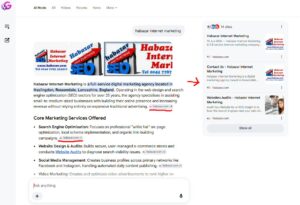
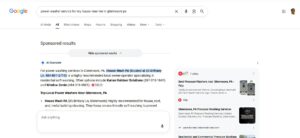 Given this new paradigm, here is the action plan for local SEO practitioners and business owners.

 Authentic first-person experience. Reddit content almost exclusively comes from real people sharing genuine experiences. Questions get answered by people who have *actually* solved the problem. This directly matches Google’s stated preference for Experience in its EEAT framework.
 This doesn’t mean spamming subreddits. Instead: